
quality tempered glass
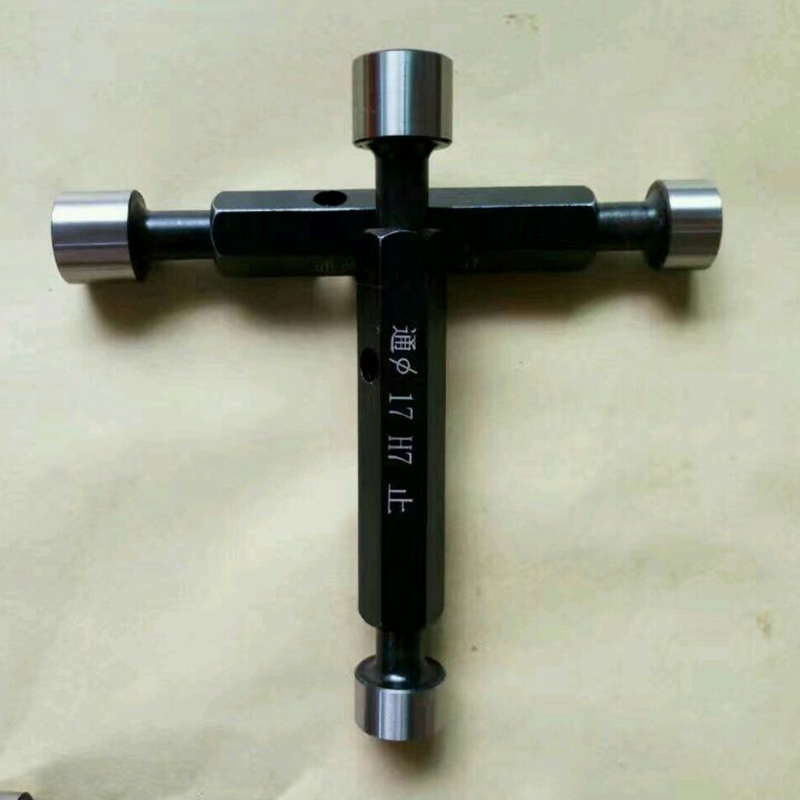
Understanding Bore Gauge Micrometers Precision in Measurement In the realms of manufacturing and engineering, precision is key. Among the various tools employed to achieve this precision, the bore gauge micrometer stands out as an essential instrument for accurately measuring the diameter of cylindrical bores. This article will delve into the intricacies of bore gauge micrometers, their working principles, applications, and the advantages they offer in ensuring quality control in various industries. A bore gauge micrometer, commonly known as a bore gauge, is a specialized measuring tool designed to assess the internal dimensions of cylindrical objects such as pipes, engine cylinders, and other machined parts. Its primary function is to measure the diameter of a bore, which is crucial in several applications, particularly in fields such as automotive, aerospace, and manufacturing. Working Principle How Bore Gauge Micrometers Function Bore gauge micrometers typically consist of a main body with a measuring head designed to fit inside the bore, along with a depth rod that extends to the walls of the bore. The micrometer itself operates on the principle of mechanical leverage, where a small rotational movement at the handle produces a significant change in measurement. To use a bore gauge micrometer, the tool is first inserted into the bore. The user rotates the handle to expand the measuring head until it gently touches the inner walls of the cylinder. The measurement is then read from a calibrated scale or digital display, indicating the internal diameter of the bore. It is critical that the gauge is precisely calibrated to ensure that readings are accurate, as even the slightest deviation can lead to significant errors in manufacturing and quality control. Applications of Bore Gauge Micrometers Bore gauge micrometers find extensive use across a multitude of industries where precision engineering is paramount. In the automotive sector, for example, these tools are employed to measure the dimensions of engine cylinders, ensuring that they meet strict specifications for performance and safety. Any deviation could lead to inefficient combustion, increased emissions, and ultimately system failure. bore gauge micrometer In aerospace manufacturing, where tolerances are incredibly tight, bore gauges are used to measure critical components such as fuel lines, hydraulic systems, and various engine parts. The integrity and reliability of these measurements can be vital to the safety and performance of aircraft. Furthermore, in the field of machining, bore gauge micrometers are essential for quality control processes. Manufacturers rely on these tools to verify that their machined parts meet the required specifications before they are assembled into larger systems. This is crucial in maintaining the overall quality of products in competitive markets. Advantages of Using Bore Gauge Micrometers One of the key advantages of employing bore gauge micrometers is the level of precision they offer. With the ability to measure internal diameters to the nearest micrometer, they empower manufacturers to maintain quality control and produce parts that meet stringent requirements. Additionally, modern bore gauge micrometers are often equipped with digital displays and advanced features such as data logging and connectivity with computers or CNC machines. This integration allows for greater efficiency in manufacturing processes and helps automate quality assurance protocols. Finally, bore gauge micrometers are built for durability and repeatability. Most models are made using robust materials that ensure they withstand the rigors of industrial environments while providing reliable measurements over time. Conclusion Bore gauge micrometers are an indispensable tool in the world of precision engineering and manufacturing. Their ability to accurately measure internal diameters plays a crucial role in ensuring the quality and performance of numerous components across various industries. As technologies evolve, these measuring tools continue to adapt, ensuring that the highest standards of precision and efficiency are maintained, ultimately contributing to advancements in engineering and manufacturing excellence.
about
quality tempered glass
The Importance of Rebar End Caps in Construction A Structural Necessity Rebar, or reinforcing steel, is an essential component in the construction industry, providing reinforcement to concrete structures and enhancing their strength and durability. A critical aspect often overlooked in this process is the rebar end cap. This seemingly minor detail plays a significant role in ensuring the integrity and longevity of a construction project. An end cap, as the name suggests, is a protective covering placed at the ends of rebars. It serves multiple purposes, all of which contribute to the overall efficiency and safety of the structure. Firstly, it prevents corrosion by sealing off the exposed end of the rebar, reducing the entry point for water and other corrosive elements. Corrosion can weaken the rebar, compromising the structural stability, and the end cap acts as a barrier against this potential threat. Secondly, rebar end caps act as a means of preventing accidental injury. In a construction site, loose and protruding rebar ends pose a safety hazard to workers. End caps provide a non-abrasive surface, minimizing the risk of cuts or punctures, thus contributing to workplace safety. Moreover, end caps also play a role in maintaining the continuity of the steel reinforcement Moreover, end caps also play a role in maintaining the continuity of the steel reinforcement Moreover, end caps also play a role in maintaining the continuity of the steel reinforcement Moreover, end caps also play a role in maintaining the continuity of the steel reinforcement rebar end cap . They ensure that the rebar's tensile strength is not compromised, which is crucial for load-bearing structures. Without proper end caps, there could be a reduction in the rebar's bonding capacity with the surrounding concrete, affecting the structure's overall performance. In addition to these functional benefits, rebar end caps also contribute to the aesthetics of the construction. They cover up any unsightly ends, giving a more finished and professional look to the structure. The use of high-quality end caps, compatible with the rebar material, is paramount. Different materials, such as plastic or metal, offer varying degrees of protection and durability, and the choice depends on the specific project requirements and environmental conditions. In conclusion, the rebar end cap might seem like a small detail in the grand scheme of construction, but its significance cannot be understated. It is a testament to the importance of considering every element, no matter how seemingly insignificant, in the pursuit of structural integrity and safety. As construction technology advances, so does the design and functionality of rebar end caps, further emphasizing their pivotal role in modern construction practices.
-

High quality industrial productsagement

High quality industrial products
View Details -

Meet the diverse needs of customers

Meet the diverse needs of customers
View Details -

Strict quality control

Strict quality control
View Details -

Top raw materials

Top raw materials
View Details -

Trusted supplier

Trusted supplier
View Details
Our application


news and information
Valve Selection Guide_ Differences and Applications of Gate Valves and Globe Valves
When navigating the world of industrial valves, understanding the nuances between various types can

Wood Connectors and Brackets for Building Strong and Durable Wooden Structures and Projects
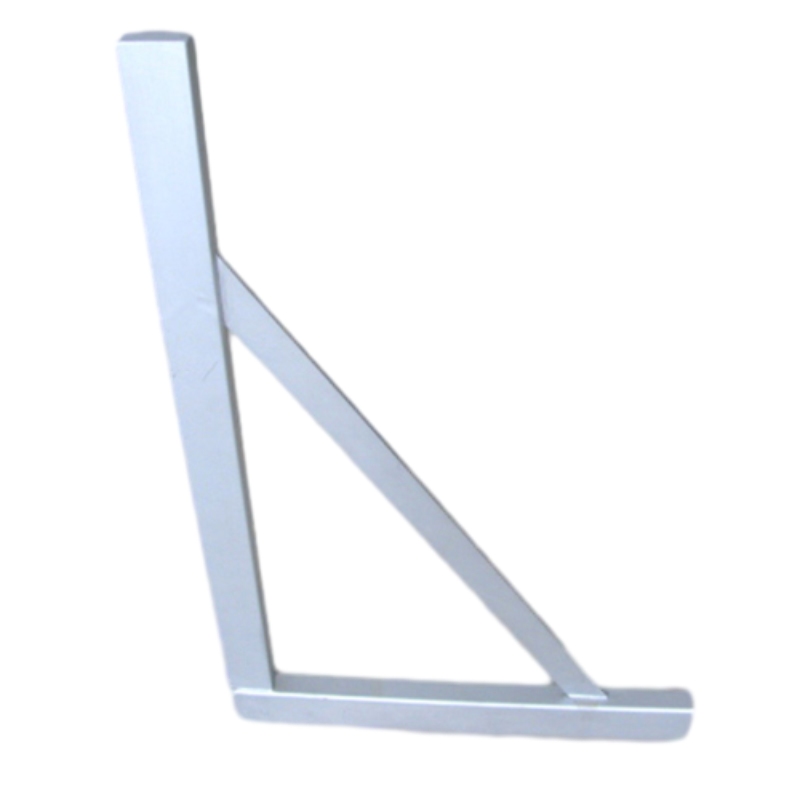
Brackets for Connecting Wood An Essential Tool for Any Woodworking Project When it comes to woodwork
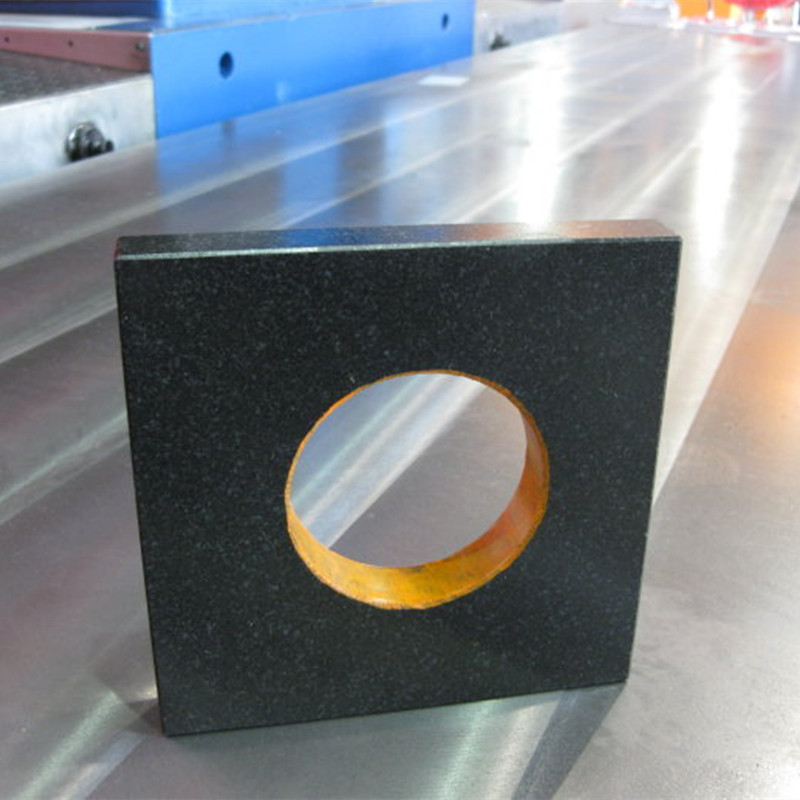
Using Thread Ring Gauges for Accurate Measurement and Quality Control in Manufacturing Processes
The Importance of Thread Ring Gauges in Quality Assurance In the world of manufacturing and engineer
 English